-

Leverage WAF And U.S.-based High-security Server Hosting To Provide Dual Protection At Both The Application Layer And Network Layer
This article explores how to combine a WAF with U.S.-based high-security server hosting to achieve dual protection at both the application layer and network layer. It covers architecture design, deployment strategies, log monitoring, and compliance considerations, making it suitable for optimizing service security for users in the United States and around the world. -

Practical Steps To Get Started Quickly With Deploying Multiple Domains Using American VPS Hosting Services
It provides a detailed guide to getting started quickly with deploying multiple domain names on American VPS hosting services. It covers key steps such as environment preparation, network and geographic location optimization, domain and DNS planning, account isolation, automated deployment, security enhancements, content and SEO strategies, as well as monitoring and maintenance. -

Analysis Of Reliability And Risk Warnings For Low-Cost Servers From US High-Defense Providers
Provides reliability analysis and risk warnings regarding U.S.-based high-security servers that ignore low-cost CC servers, covering infrastructure, protection capabilities, service terms, compliance, and procurement recommendations to assist with operations and purchasing decisions. -
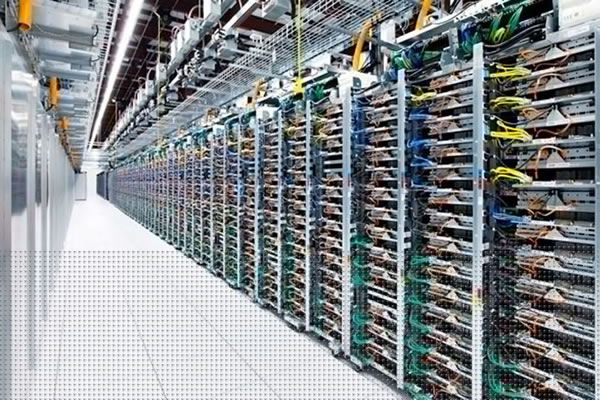
Analysis Of The Ranking Of Protection Capabilities Of Recommended Brands Of High-security Servers In The United States From A Technical Indicators Perspective
From a technical metrics perspective, this analysis evaluates the protection capabilities of recommended brands of high-security servers in the United States. It explains key evaluation criteria such as bandwidth cleaning, layered protection, Anycast deployment, detection speed, and operational automation, providing guidance for making choices. -
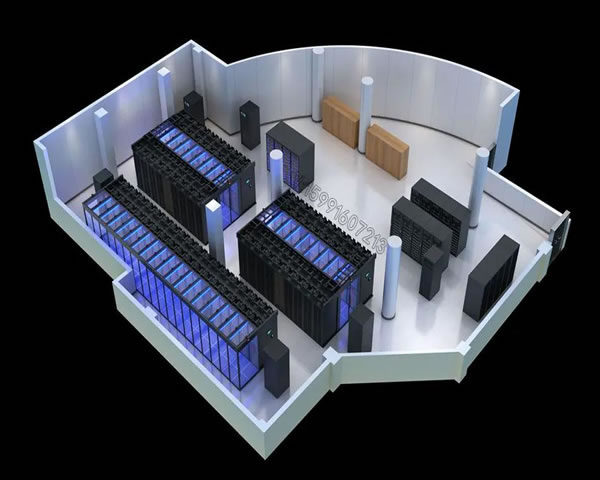
How To Negotiate A U.S.-based Independent Server Hosting Contract For Better Maintenance And Support Terms
It explains how to negotiate contracts for hosting independent servers in the United States to obtain better maintenance and support terms, covering SLAs, response times, backups, change management, compliance, and negotiation strategies, suitable for procurement and technical teams. -

An Industry Perspective On Why U.S. Servers Are So Popular And Their Relationship To Supply Chain Advantages
From an industry perspective, this analysis explores why U.S.-based servers are popular, focusing on their advantages in terms of the supply chain. It covers aspects such as the industrial ecosystem, key components, manufacturing flexibility, network infrastructure, and policy factors. Finally, it provides recommendations for procurement and risk management. -

Operation And Maintenance Manual: Partition Management Tips For 4T Partitions On US High-Defense Servers
Practical Guide for Operations and Maintenance: In the environment where high-security servers in the United States support 4T partitions, it provides actionable partition management techniques such as partition planning, file system selection, online expansion, backup and recovery, as well as monitoring and alerting. -

Evaluation Of Performance And Scalability Based On Technical Specifications In The U.S. Standalone Server Price List
An analysis of U.S. independent server price lists from a technical specifications perspective, explaining how to evaluate performance and scalability using metrics such as CPU, memory, storage, and network, along with recommendations for selection and optimization, suitable as a reference for search engine optimization and purchasing decisions. -

From A Storage Perspective, The Cost And Efficiency Of Supporting 4T Partitions On U.S.-based High-security Servers
From a storage perspective, this analysis examines the cost structure and efficiency impacts of U.S.-based high-security servers supporting 4T partitions, covering key factors such as disk types, RAID strategies, IOPS/throughput, backup, and networking, while providing optimization recommendations.